Most Americans planning an Ireland trip spend their time thinking about Dublin, Galway, Kerry, and the Cliffs of Moher. Belfast, if it appears at all, tends to show up as an afterthought. A possible day trip. Something to consider if there's time.
There's never enough time in Ireland. There always seems to be enough time to skip Belfast.
That's a mistake, and I say that as someone who grew up there.
Belfast is one of the most interesting cities in Ireland and one of the most undervisited by American tourists. It's less expensive than Dublin, less crowded than the popular spots on the tourist trail, and the people are among the friendliest you'll encounter anywhere on the island. There's a well-worn joke in Northern Ireland that locals are some of the most welcoming people in the world to visitors. They just haven't always been quite as welcoming to each other. The history behind that joke is part of what makes Belfast so worth understanding.
Nearly every American friend who has visited tells me it was their favourite part of the whole trip. None of them expected that before they arrived.
Here's why it deserves more than an afterthought.
It's safe. Fully, completely safe.
This is the first thing to address because it's the first thing people ask. Belfast has a complicated history and that history is not ancient. The Troubles ended with the Good Friday Agreement in 1998, within living memory for most adults travelling today. It's a reasonable thing to wonder about.
Belfast in 2025 is a safe, modern, thriving city. Tourists walk freely everywhere. The city centre, the Cathedral Quarter, the Titanic Quarter, the university area. All of it is as safe as any comparable European city. The murals and peace walls that document the conflict are tourist attractions now, visited and photographed by thousands of people every year.
The honest truth is that visitors from Chicago or New York are arriving from cities with significantly higher crime rates than Belfast. The worry tends to go in the wrong direction.
Go. Walk around. Stay out late. Talk to people. The city will look after you.
The city has reinvented itself
Belfast in the 1970s and 80s was a city defined by conflict. Bombings, checkpoints, streets that emptied after dark. That Belfast is gone. What replaced it is one of the more remarkable urban transformations in Europe over the last thirty years and it's still happening.
The food scene has become genuinely excellent. Belfast has more Michelin starred restaurants per capita than almost anywhere in the UK or Ireland. That's not something most visitors expect to find.
Game of Thrones was filmed extensively across Northern Ireland and the studio where much of it was made sits in the Titanic Quarter, right beside where the actual Titanic was built and launched. That one didn't end well either, but the studio has managed to avoid the same fate. If you're a fan it's worth a visit. Belfast has since become a proper filming destination, and seeing places you recognise from a screen and then walking their actual streets is its own kind of experience.
The waterfront has been completely redeveloped. New hotels, new cultural venues, new reasons to stay longer than you planned. The city feels like it's building something and wants you to see it.
The Cathedral Quarter and the city centre
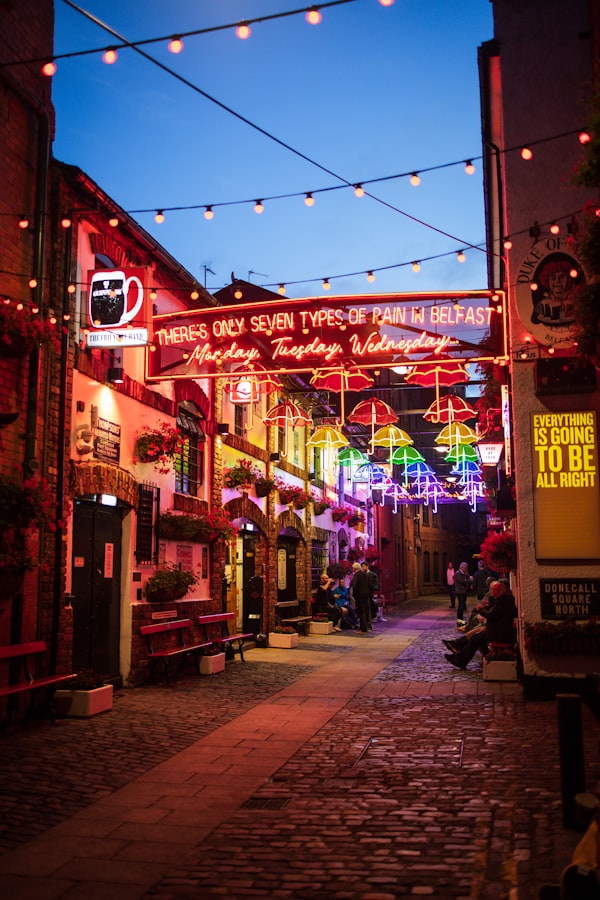
The Cathedral Quarter is where you want to spend your evenings. Cobbled streets, Victorian buildings, more good restaurants and bars per square mile than anywhere else in the city. It has the energy of somewhere that knows it's having a moment without being insufferable about it.
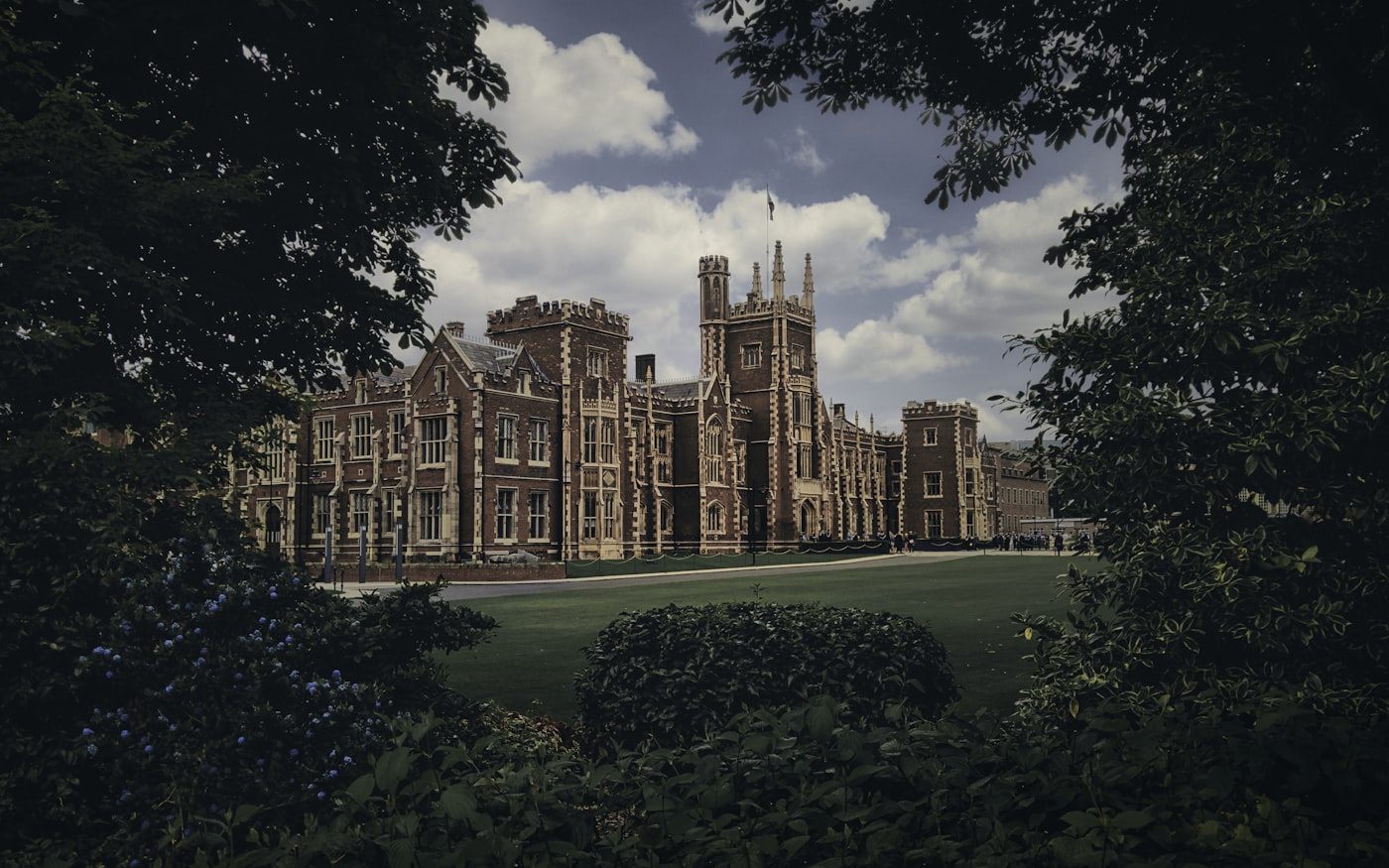
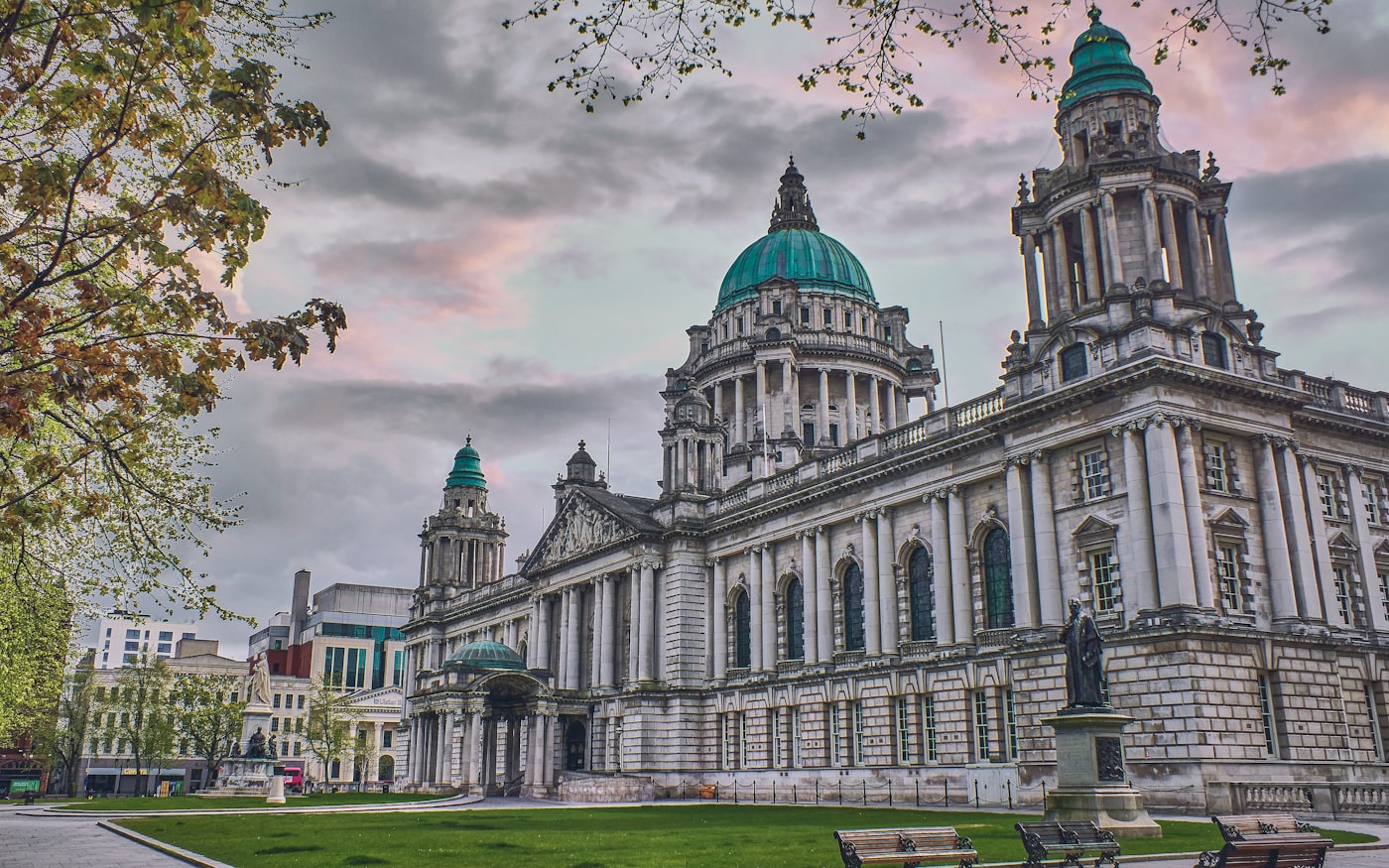
Slow down during the day too, because Belfast's architecture rewards attention. The city was built during the Victorian era at the height of its industrial and commercial power, and the man who shaped much of it was an architect called Charles Lanyon. The Custom House, the main university building, the Palm House in the Botanic Gardens. Walk around the city centre and his fingerprints are everywhere. It's a very different aesthetic to the rest of Ireland and reflects a very different history.
The Albert Clock, Belfast's answer to Big Ben, leans slightly. Not enough to worry about, enough to notice. It's been leaning since the 19th century and shows no signs of stopping.
The Ulster Museum is free and genuinely worth a few hours. It holds the first Egyptian mummy ever brought to the United Kingdom, which is not something you expect to find in Belfast but is entirely consistent with the city's Victorian appetite for collecting things from elsewhere in the world.
And if you studied physics at any point in your life, you walked past Lord Kelvin's name without knowing he was from Belfast. The temperature unit, absolute zero, the second law of thermodynamics. One of the most significant scientists of the 19th century, born about ten minutes from the city centre. There's a statue of him in the Botanic Gardens. Worth a look.
The town that helped create America — and then helped save itself
About twelve miles south of Belfast, past the motorway and down into County Down, there's a small Georgian market town called Hillsborough. It has a square, a castle, a fort, and more history per square mile than almost anywhere on the island. It also happens to be where I grew up.
Most visitors to Northern Ireland have never heard of it. That's a shame, because the story of Hillsborough Castle alone is worth the detour.
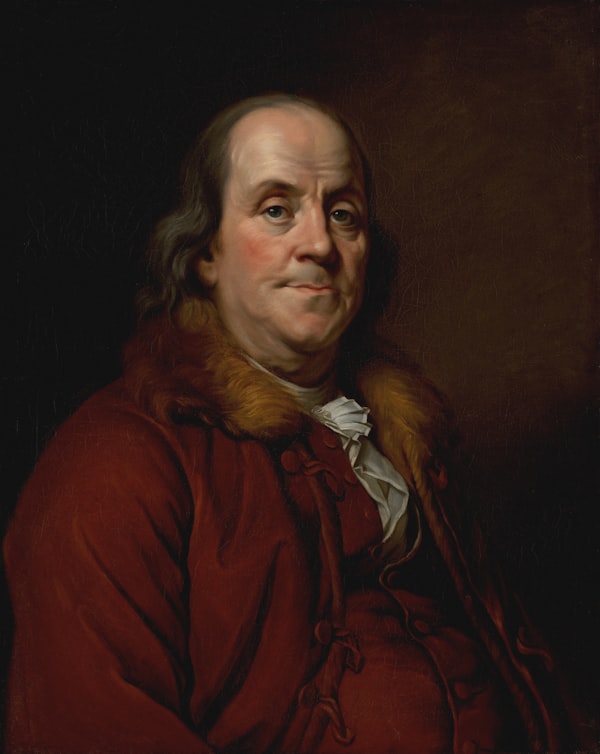
In 1771, Benjamin Franklin visited the castle as the guest of Wills Hill, the British Secretary of State for the American Colonies. The visit did not go well. Franklin left frustrated and disillusioned with any prospect of Britain treating the colonies fairly. A few years later he went home, threw himself behind the revolution, and became one of the founding fathers of the United States. The castle is sometimes described, with a certain amount of local pride and a straight face, as the birthplace of America. The idea being that if Wills Hill had handled that visit a little better, things might have gone differently.
Whether you buy the theory or not, it's a remarkable thread of history to find in a small town in County Down.
What makes it more remarkable is what happened at the same castle two centuries later. Hillsborough became one of the key venues for the Northern Ireland peace process. The talks that led to the Good Friday Agreement in 1998 ran through these buildings. Bill Clinton visited. George Mitchell, the American senator who chaired the negotiations, is still spoken of with genuine warmth in Northern Ireland. The American involvement in the peace process matters here in a way that isn't always appreciated from the outside.
If you're American and you visit Hillsborough, you are walking through a place where your country's history starts and where your country's diplomats helped end a conflict. Worth the stop.
The castle and gardens are open to visitors and well worth a half day. The town itself is lovely. Have lunch in the square. And if you're travelling between Dublin and Belfast, Hillsborough sits right on the route. It's an easy stop rather than a detour, which removes any excuse for skipping it.
The cranes that defined a skyline
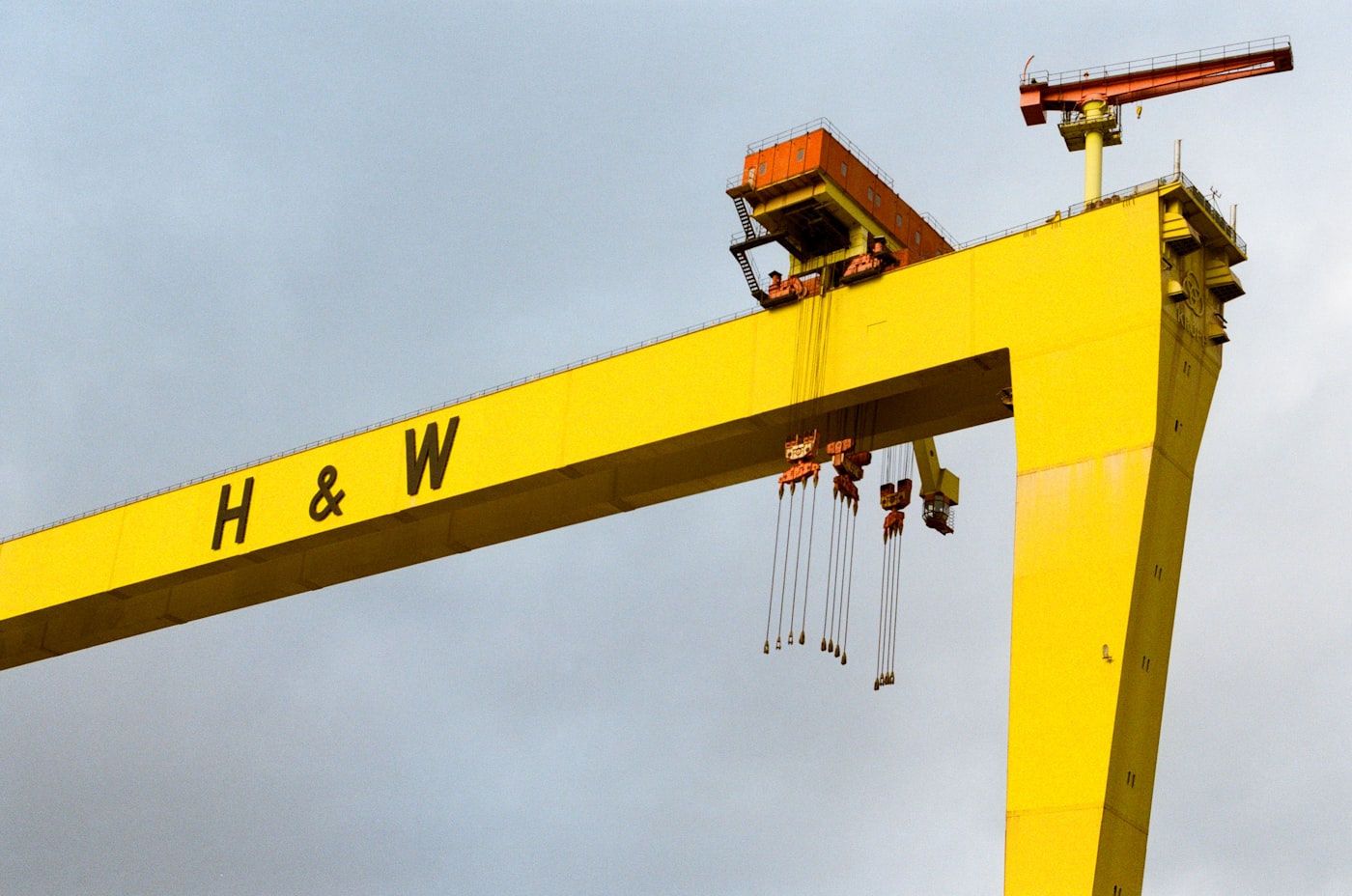
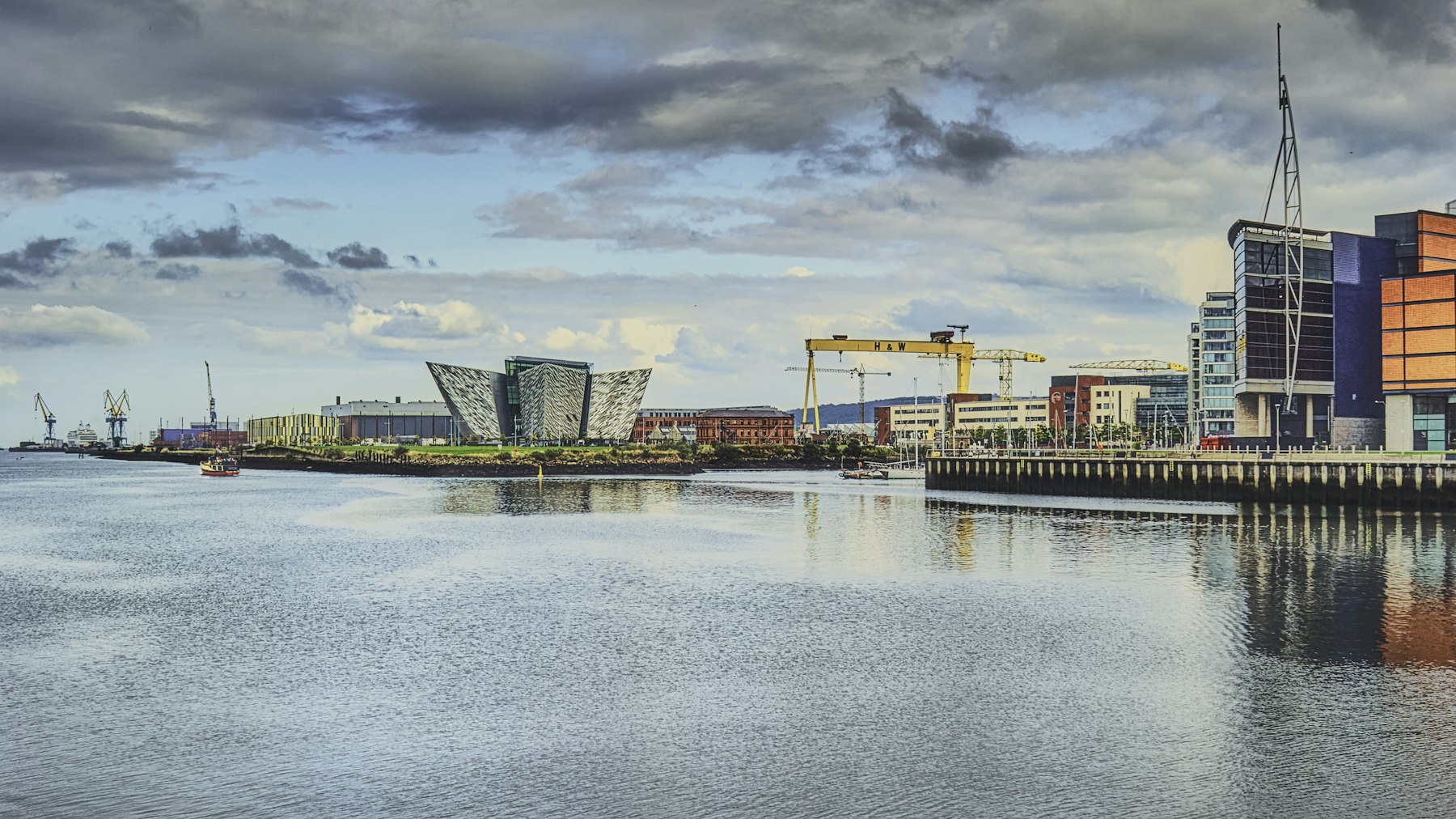
There are two things visible from almost anywhere in Belfast that tell you immediately where you are. Samson and Goliath, the two giant yellow cranes of Harland and Wolff, rise above the city like landmarks from another era. They are the most recognisable feature of the Belfast skyline and have been for decades.
Harland and Wolff built ships here for over a century. The Titanic was the most famous, launched from these yards in 1911 before its ill-fated maiden voyage. At its peak the shipyard employed tens of thousands of people and the industry shaped the city in ways that went far beyond economics. Whole communities were built around it. Generations of families worked there. The identity of east Belfast in particular is inseparable from it.
The shipyard is largely quiet now. The industry that sustained it is gone. But the cranes remain, protected and preserved, and they carry a weight that goes beyond their physical scale. Walking around the waterfront and looking up at them is one of those moments in Belfast where the past feels very close.
For Americans with Ulster Scots ancestry in particular, there's something worth sitting with here. Many of the families who worked these yards, who built these ships, were the descendants of the same communities that produced a significant number of American presidents. Andrew Jackson, Ulysses Grant, Woodrow Wilson. The connections between Northern Ireland and America run through this city in ways most visitors never think to trace.
The murals and the peace walls
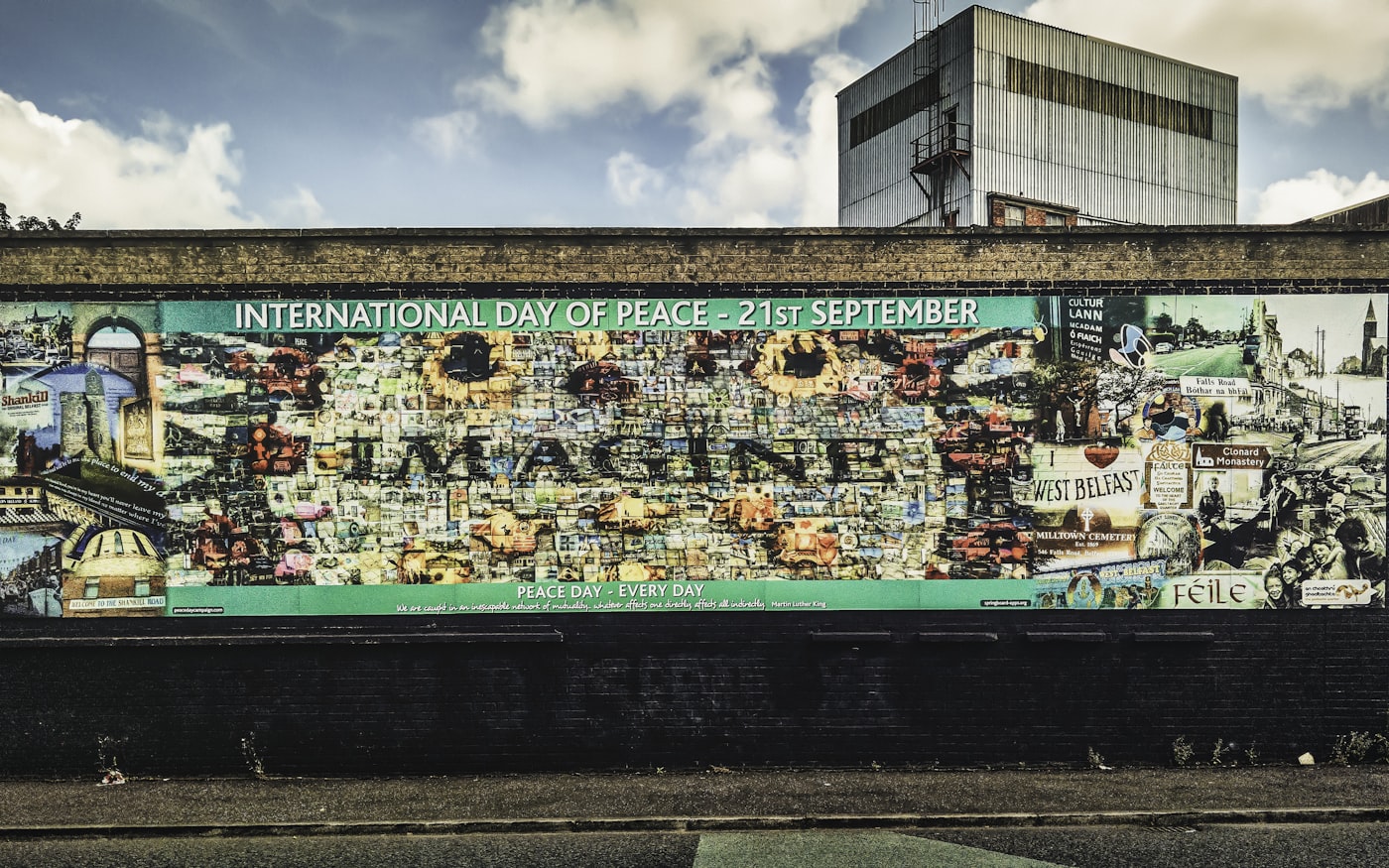
No visit to Belfast is complete without spending time in the areas where the conflict played out most visibly. That might sound like an uncomfortable thing to seek out. It isn't. It's one of the most affecting and ultimately hopeful experiences the city offers.
The Falls Road and the Shankill Road run parallel to each other in west Belfast, separated in places by the peace walls, tall barriers erected during the Troubles to keep communities apart. Some of them are still standing. You can walk up to them, touch them, read the messages and signatures left by visitors from around the world.
My family lived on one side of the peace wall. Growing up, visiting relatives on the other side meant crossing through it, and you never quite knew on the way there whether it would be open or closed. If there was trouble, the gates shut. That was just the reality of it. A short drive from one part of the city to another, uncertain every time.
That's worth saying not to be dramatic about it but to be honest about how recent this all is. The Good Friday Agreement was signed in 1998. The people who lived through the worst of it are still here, still living in these streets. This isn't medieval history. It's within living memory and it touches people's lives in ways that are still being worked through.
What makes Belfast remarkable is what it has done with that history. The murals on both sides of the peace walls are vivid, large scale, often political, sometimes haunting. They document the conflict from both perspectives and walking between them gives you a sense of how complex and deeply felt the divisions were.
The best way to experience this part of the city is with a black taxi tour. Local drivers, many of them from the communities themselves, take you through the area and tell you the history from the inside. Both nationalist and unionist tours are available and taking both is worth doing if you have the time. You will hear two very different accounts of the same events. That's part of the point.
What strikes most visitors isn't the darkness of what happened. It's how openly and honestly Belfast talks about it. The city hasn't buried its history or dressed it up. It has processed it in public, on walls, in museums, in conversation. Northern Ireland is one of the most studied and most cited examples of successful conflict resolution in modern history. Academics, politicians and peacemakers from conflict zones around the world come here to understand how it was done. Walking these streets with that context in mind changes what you're looking at.
Go to Belfast
There's a version of an Ireland trip that sticks to the well-worn path. Dublin for a few days, a drive through the west, the Cliffs of Moher, Galway, maybe Kerry. It's a good trip. Ireland delivers on all of it.
Belfast is something else. It's a city that has lived through something enormous and come out the other side with its humour intact, its people warm, and its story still being written. It doesn't have the polish of a city that has been welcoming tourists for generations. It has something better than that. It feels like somewhere you discovered yourself.
Americans have a particular connection to this city whether they know it or not. In the founding of the country, in the labour that built its ships and sailed on them, in the diplomacy that helped end its conflict. Belfast has been quietly present in American history for longer than most people realise.
Go for two nights minimum. Three is better. Stay in the city centre, walk everywhere, take the black taxi tour, eat well, and stay out late. Talk to people. They will talk back, and then some.
You'll leave wondering why nobody told you about it sooner.